
Categories
Local LifestylePublished November 15, 2026
Wild Horses, Eight Miles From Town: The Little Book Cliffs Wild Horse Range

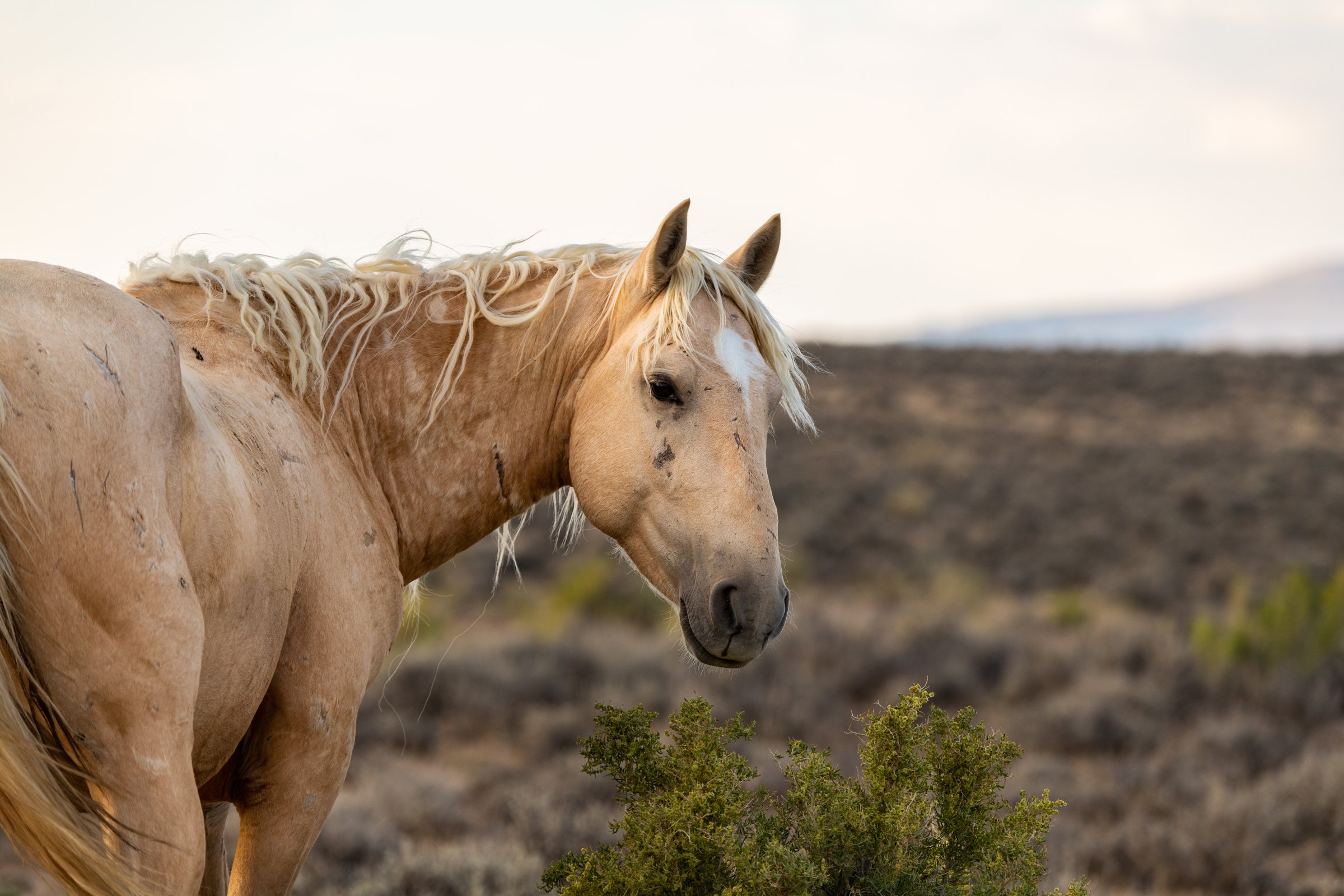
Picture a canyon floor in the Book Cliffs on a cool fall morning, and a band of horses picking its way down a wash with nobody holding the reins. That scene is about eight miles northeast of Grand Junction. The Little Book Cliffs Wild Horse Range covers 36,113 acres, and it is one of only three ranges in the United States designated specifically to protect wild horses. If you want to drive to the trailhead this year, note that the Coal Canyon road gate closes to vehicles on December 1 for the winter.
The range was designated in 1971, the same year Congress passed the Wild Free-Roaming Horses and Burros Act. The Bureau of Land Management manages it for a herd of roughly 90 to 150 horses, and the colors run the full spectrum: palominos, paints, grays, blacks, bays, sorrels, roans, and a few appaloosas. The horses travel in small family bands, usually somewhere between two and ten animals.
Getting there is part of the fun. From I-70, take the Cameo exit east of town, follow the BLM signs past the Cameo Shooting and Education Complex, and continue on the dirt road behind Mount Garfield to the Coal Canyon Trailhead. From there, the Main Canyon Trail is typically the best bet for spotting horses. The range has nine designated trails, from 1 to 5 miles long, and they are open to foot and horse travel only. Visit Grand Junction notes that the horses move back down to lower elevations in the fall, though sightings are never guaranteed. Hiking and riding stay open year-round; only the vehicle gate closes for winter, to protect wintering wildlife and foaling areas.
One of my favorite parts of this story is the people behind it. Friends of the Mustangs, a Grand Junction volunteer group, has worked alongside the BLM since the 1980s. Volunteers monitor the herd, maintain fencing, and keep springs and water tanks working in rough, remote country, and they've pulled out old barbed wire and rebuilt spring developments on the range.
A few common-sense rules: keep your distance, never feed the horses, and come prepared for steep, rugged terrain. They're used to visitors, but they are still wild.
It's hard to think of many places where you can finish a workday and be watching wild mustangs before dinner. That's everyday life on the Western Slope. If you're thinking about what living here could look like, I'm always happy to talk.
— Scott Cotton - Realtor® @ The Christi Reece Group and Your Real Estate Trail Guide
Sources:
- Little Book Cliffs Wild Horse Range — Bureau of Land Management
- Where to See Wild Horses in Grand Junction — Visit Grand Junction (updated Oct. 2026)
- In Colorado's Little Bookcliffs, local volunteers keep wild horses alive — BEACON Senior News (Jan. 2026)

Reece Stanley
Managing Broker | Owner | CEO | REALTOR® | Grand Junction Real Estate - The Christi Reece Group
or another way